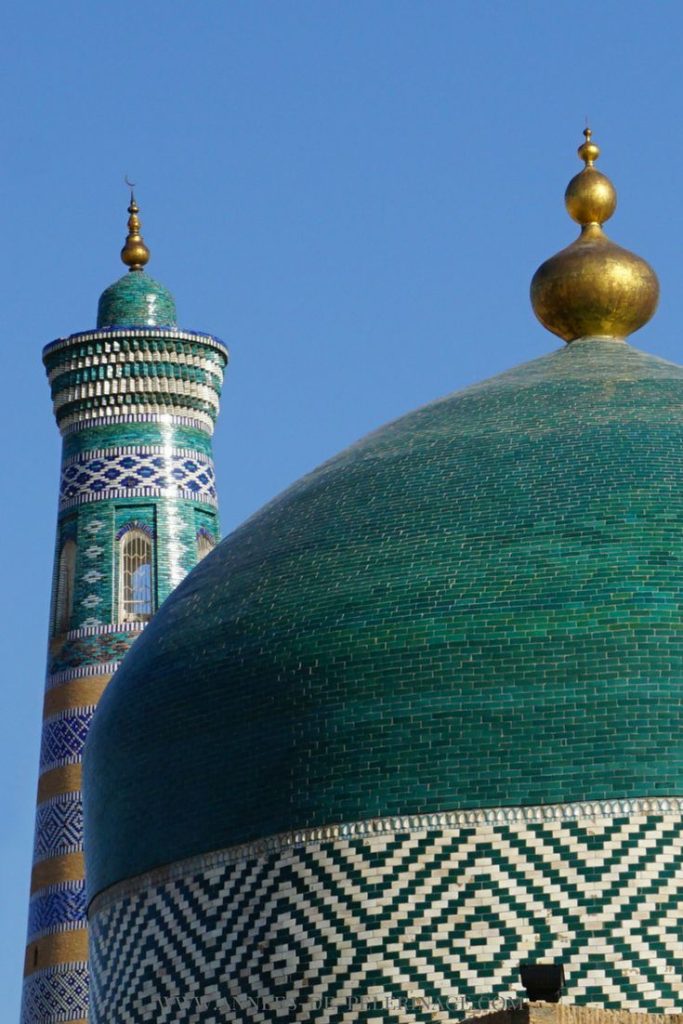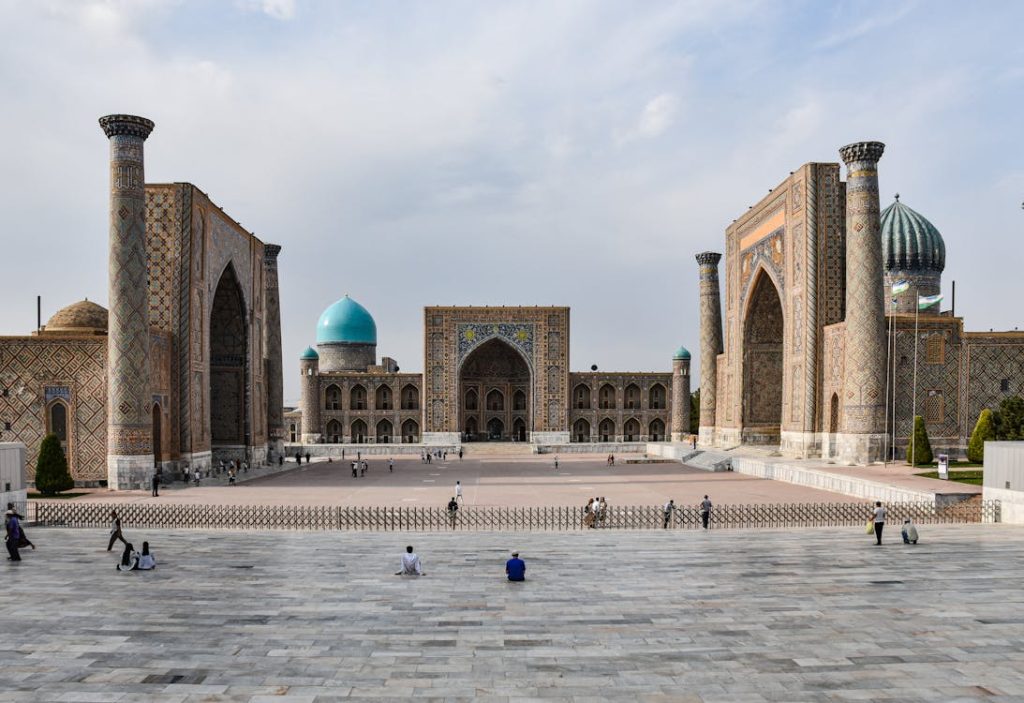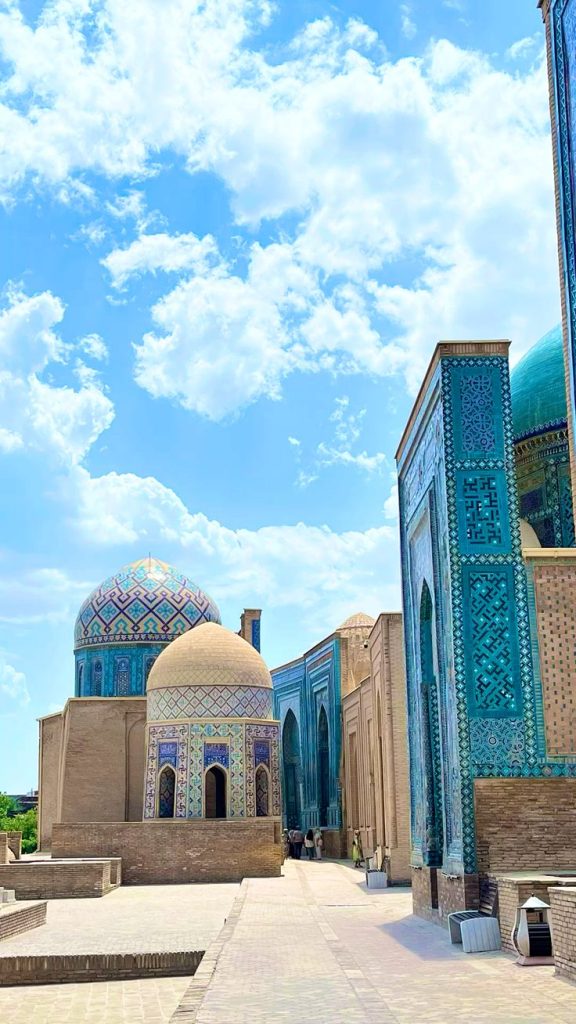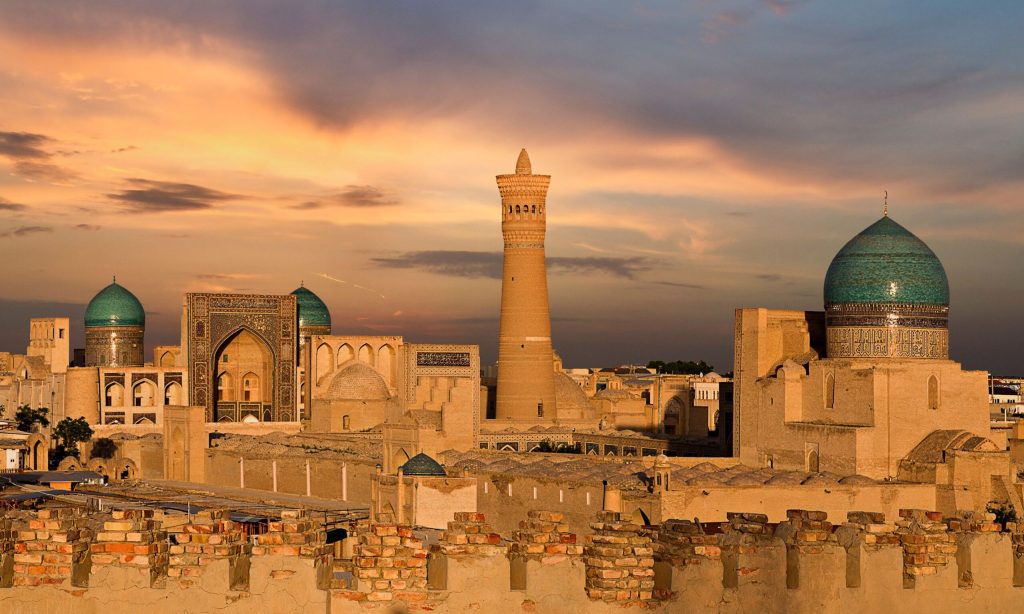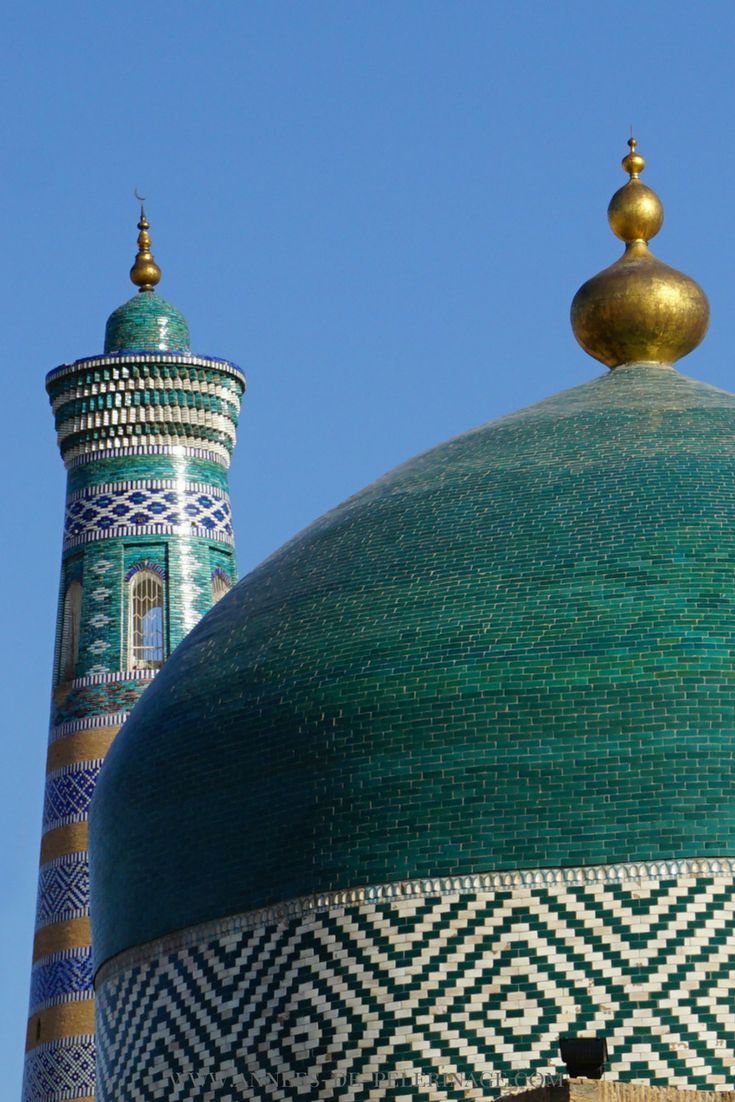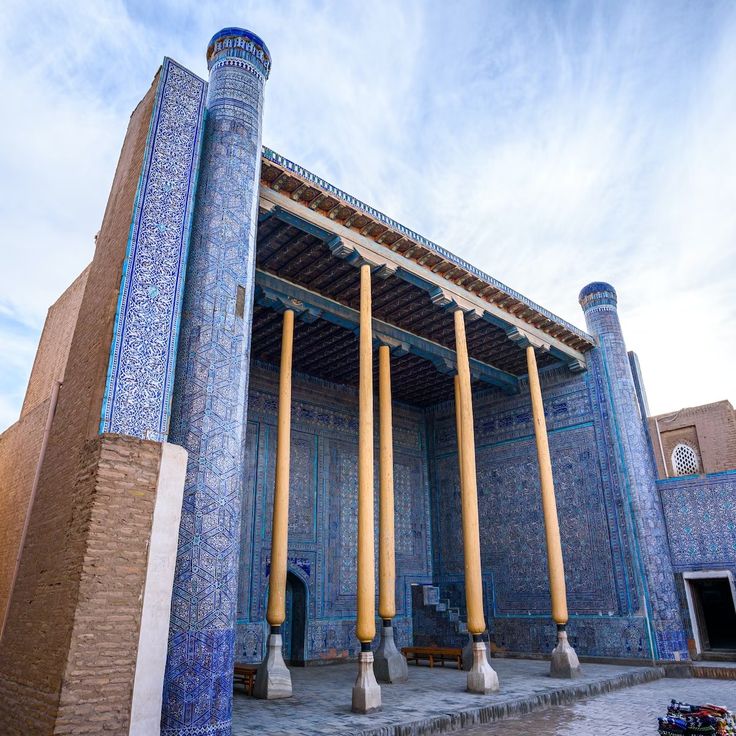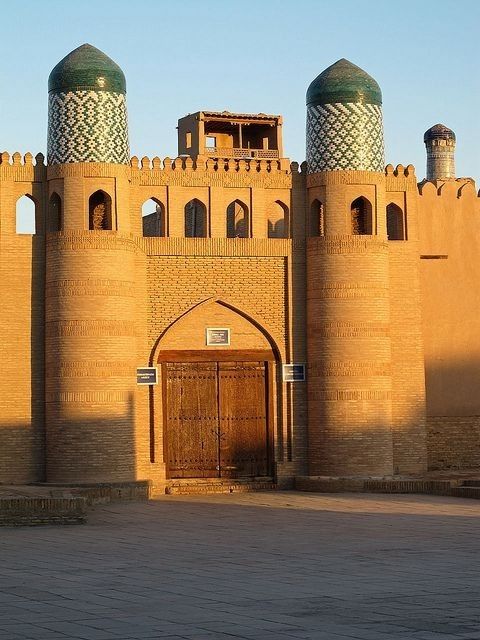
Khiva is a historic walled city in western Uzbekistan, famous for its well-preserved Islamic architecture and Silk Road heritage. The city’s inner town, Ichan-Kala, is a UNESCO World Heritage Site and feels like a living museum, with mud-brick walls, minarets, madrasahs, and caravanserais.
Khiva was an important trading post on the Silk Road, linking Central Asia with Persia and Russia. Its compact, pedestrian-friendly old town allows visitors to explore centuries of history within a few hours.
Country: Uzbekistan
Region: Khorezm Region
Coordinates: 41.3787° N, 60.3611° E
Accessibility: Khiva is accessible by road, train, and air via Urgench Airport (~30 km away).
Khiva is located in western Uzbekistan, near the Amu Darya River, and forms part of the Khorezm oasis.
Historic Walled City: Ichan-Kala is one of the best-preserved Silk Road cities in Central Asia.
Stunning Architecture: Explore minarets, mosques, madrasahs, and palaces dating from the 10th to 19th centuries.
Compact City Center: Easy to explore on foot — no need for cars inside the old town.
Cultural Immersion: Experience traditional crafts, local bazaars, and historic courtyards.
Photography: The city’s mud-brick walls and turquoise domes are perfect for dramatic photos.
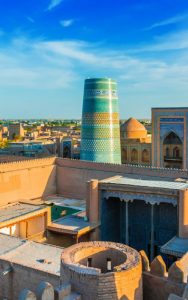
Historic walled city with over 50 historic monuments.
Surrounded by 10-meter-high walls with gates that create a unique medieval atmosphere.
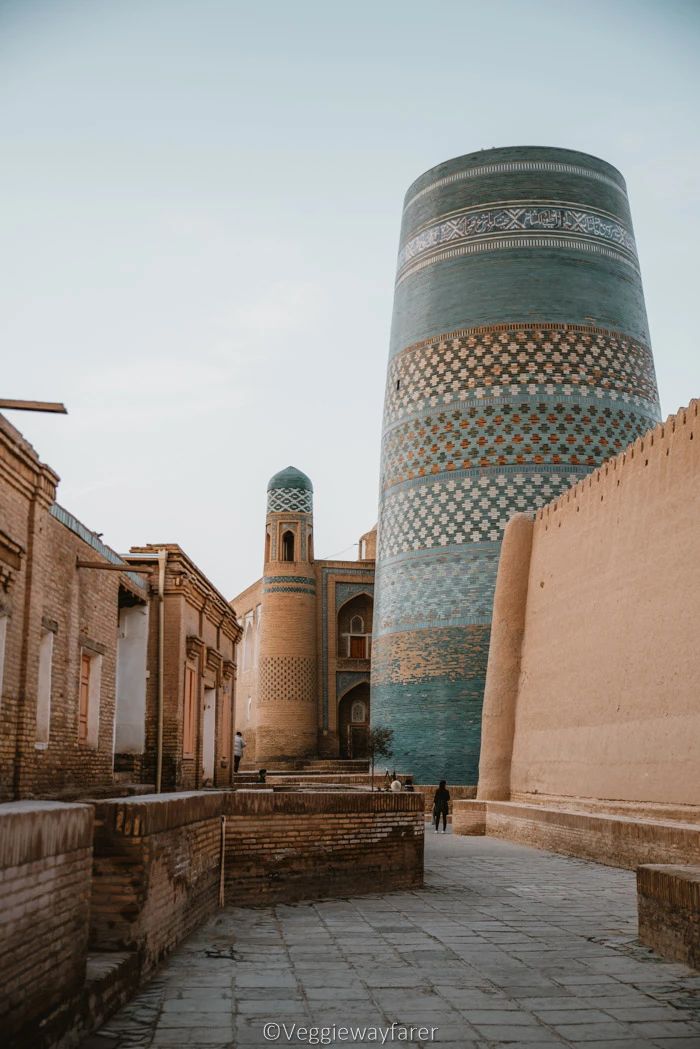
Famous unfinished minaret with vivid turquoise tiles.
Originally intended to be the tallest minaret in Central Asia.
Former royal citadel, including palaces, harem, mosque, and mint.
Offers panoramic views from the walls and towers.
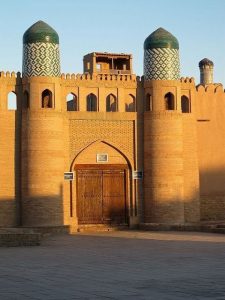
Residence of the Khiva Khan with elegant courtyards, fountains, and decorative tiles.
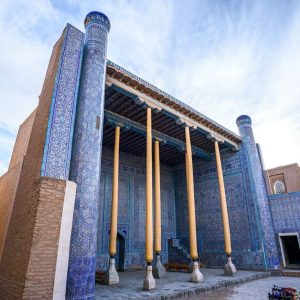
Famous for its 218 wooden columns, some dating back over 1,000 years.
Stroll through traditional markets selling silk, carpets, ceramics, and spices.
Great place for souvenirs and local handicrafts.
Spring (March – May): Pleasant temperatures and clear skies.
Autumn (September – November): Ideal weather for walking and photography.
Summer (June – August): Very hot, but early morning and late afternoon visits are possible.
Winter (December – February): Cool, fewer tourists, and mild weather during the day.
Walking Tours: Explore Ichan-Kala and climb minarets for panoramic views.
Photography: Capture mud-brick walls, turquoise domes, and bustling bazaars.
Cultural Experiences: Attend workshops in carpet weaving, pottery, and silk production.
Dining: Try local Khorezm dishes like shurpa (soup), plov, and samsa.
Sunset Views: Climb Kalta Minor or city walls for a stunning sunset over the old town.
Luxury Boutique Hotels: Inside Ichan-Kala for an authentic experience.
Mid-range Hotels & Guesthouses: Comfortable stays near the old town.
Budget Options: Hostels and simple guesthouses, ideal for backpackers.
By Air: Urgench International Airport (~30 km), with connections from Tashkent and Samarkand.
By Train: Trains connect Urgench with Tashkent and Bukhara.
By Road: Bukhara (~6–7 hours) and Khiva (~4–5 hours from Urgench) by bus or car.
Tip: Many travelers base themselves in Urgench and take a day trip or overnight stay in Khiva.
Footwear: Wear comfortable shoes; streets are uneven cobblestones.
Dress Modestly: Respect local culture in mosques and madrasahs.
Cash: Uzbekistani Som (UZS) is preferred in local markets.
Guides: Recommended for historical insights and navigating Ichan-Kala.
Photography: Ask permission before photographing locals.
Khorezm Oasis: Explore nearby villages, canals, and desert landscapes.
Ayaz-Kala Fortress: Ancient fortresses in the Kyzylkum Desert (~2 hours).
Toprak-Kala: Ruins of an ancient Khorezmian city (~1.5 hours).
Amu Darya River: Scenic landscapes along Central Asia’s historic river.
Have Questions? We’ve Got You Covered!
Not ready to book yet? No problem! You can reach out to us anytime — we’re happy to provide all the information, tips, and guidance you need to plan your perfect trip, even if you haven’t booked with us yet. Your journey starts with the right advice, and we’re here to help every step of the way.
Whatsapp: +996224777992
Email: Kyzart.travel@gmail.com