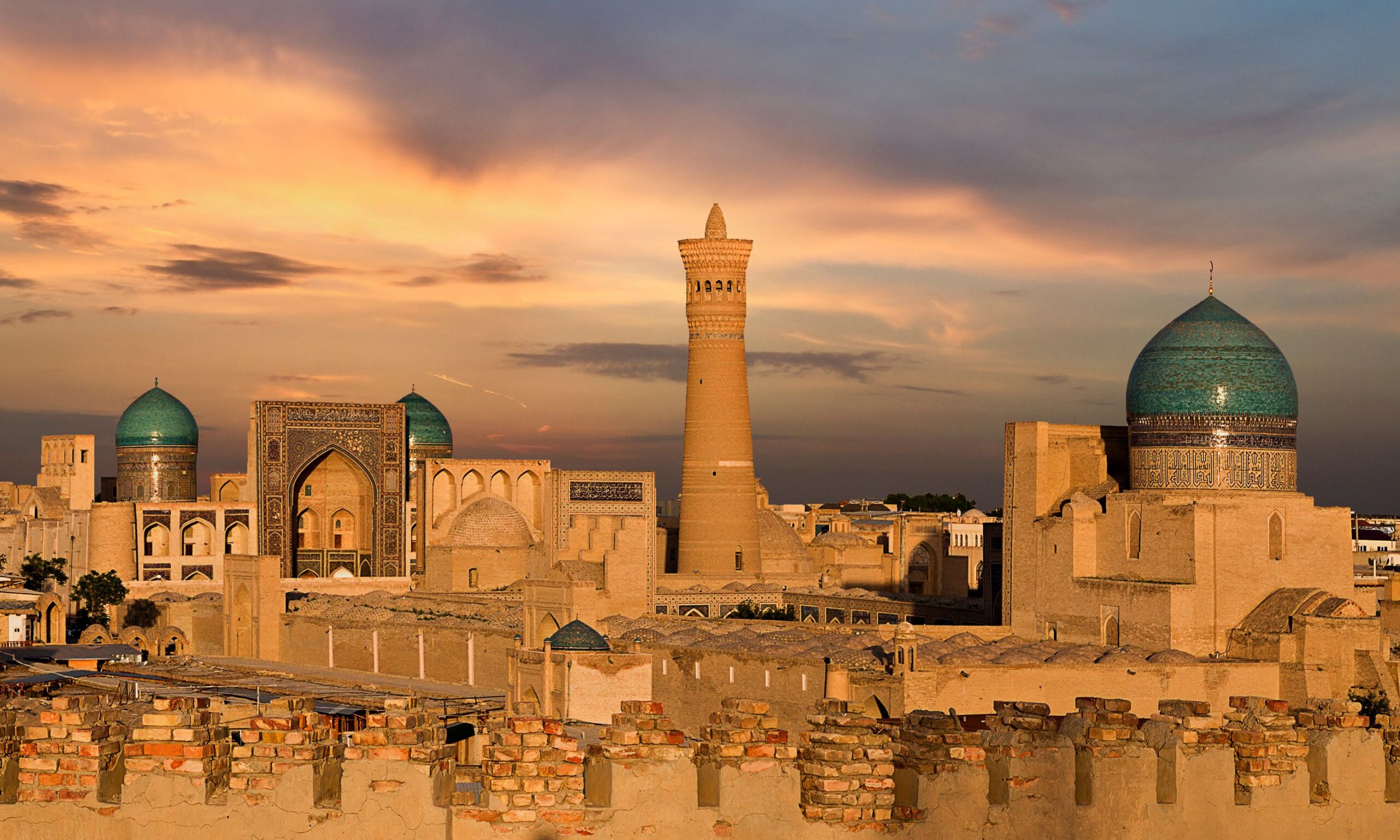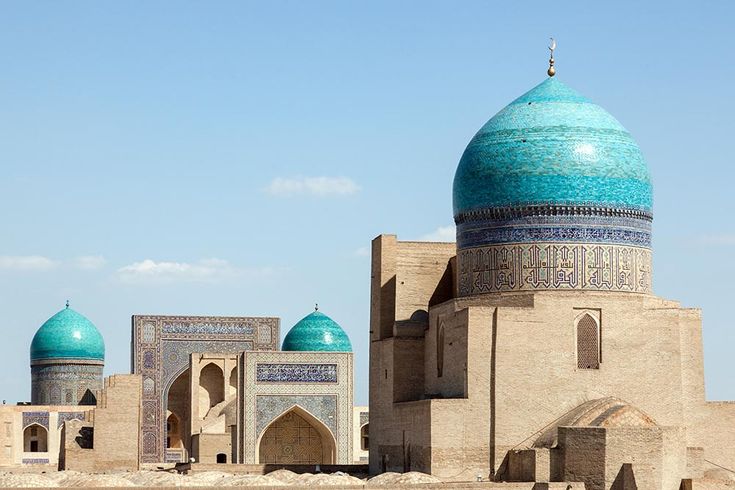
Bukhara is one of Central Asia’s most historic cities, with over 2,500 years of continuous settlement. As a key Silk Road hub, Bukhara has preserved thousands of historic monuments, madrasahs, mosques, and bazaars, making it a UNESCO World Heritage Site.
Visitors come to Bukhara to experience Islamic architecture, cultural heritage, and traditional crafts, all set within a city that feels frozen in time yet vibrant with local life.
Country: Uzbekistan
Region: Bukhara Region
Coordinates: 39.7670° N, 64.4231° E
Accessibility: Connected by air (Bukhara International Airport), trains, and road networks.
Bukhara is located approximately 580 km southwest of Tashkent and about 250 km from Samarkand, making it a natural stop on Silk Road tours.
Historical Significance: Thousands of years of trade, scholarship, and Islamic architecture.
UNESCO World Heritage: Entire city center recognized for its authenticity and preservation.
Architectural Highlights: Magnificent madrasahs, minarets, mosques, and caravanserais.
Cultural Experiences: Traditional bazaars, handicrafts, and local cuisine.
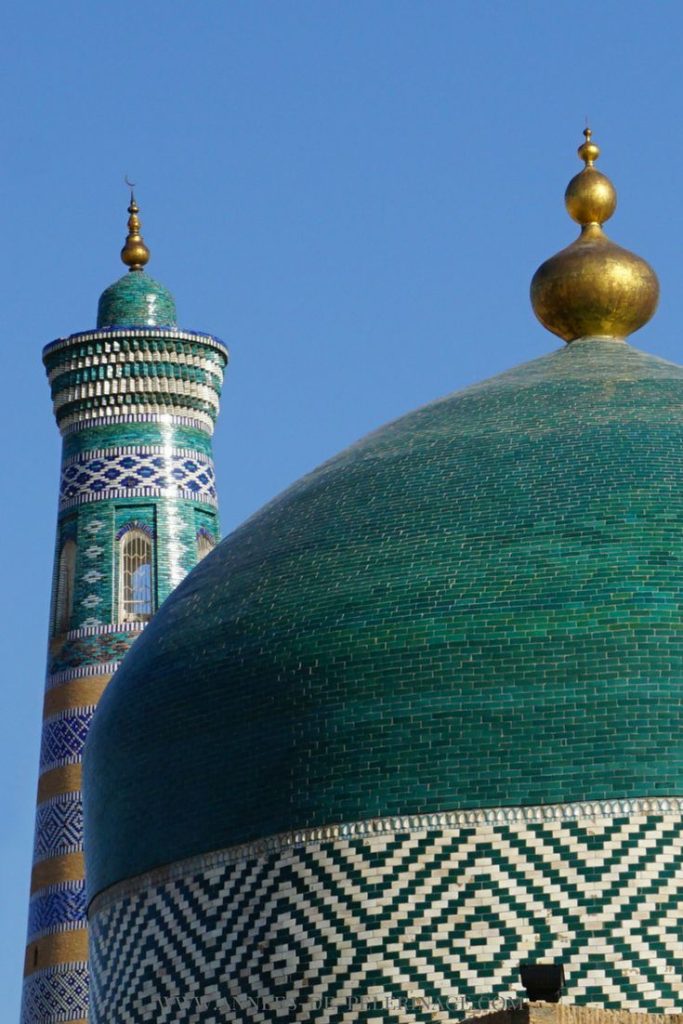
Photography Opportunities: Intricate mosaics, ancient city walls, and minarets make for stunning visuals.
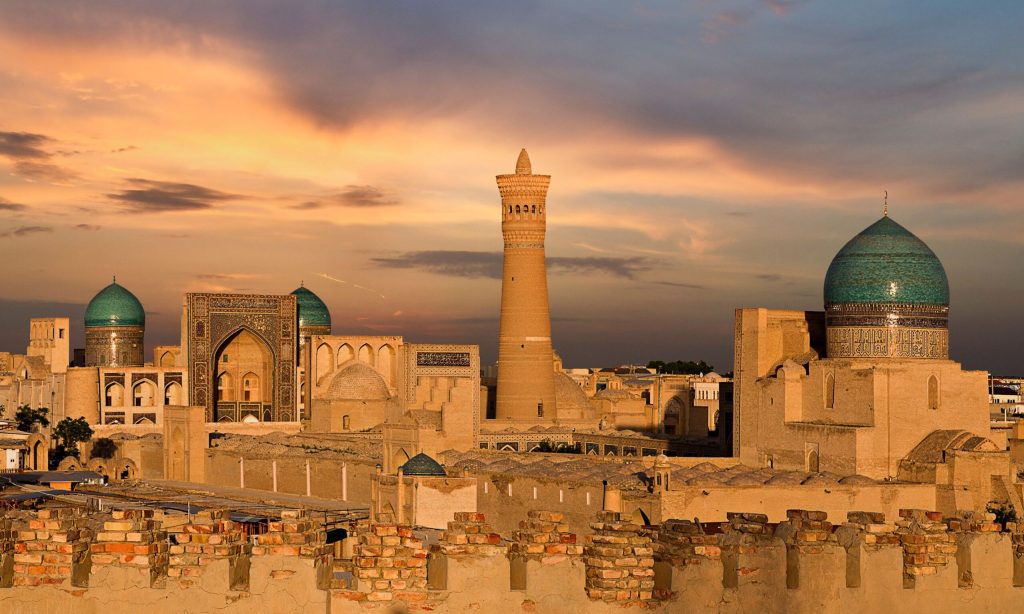
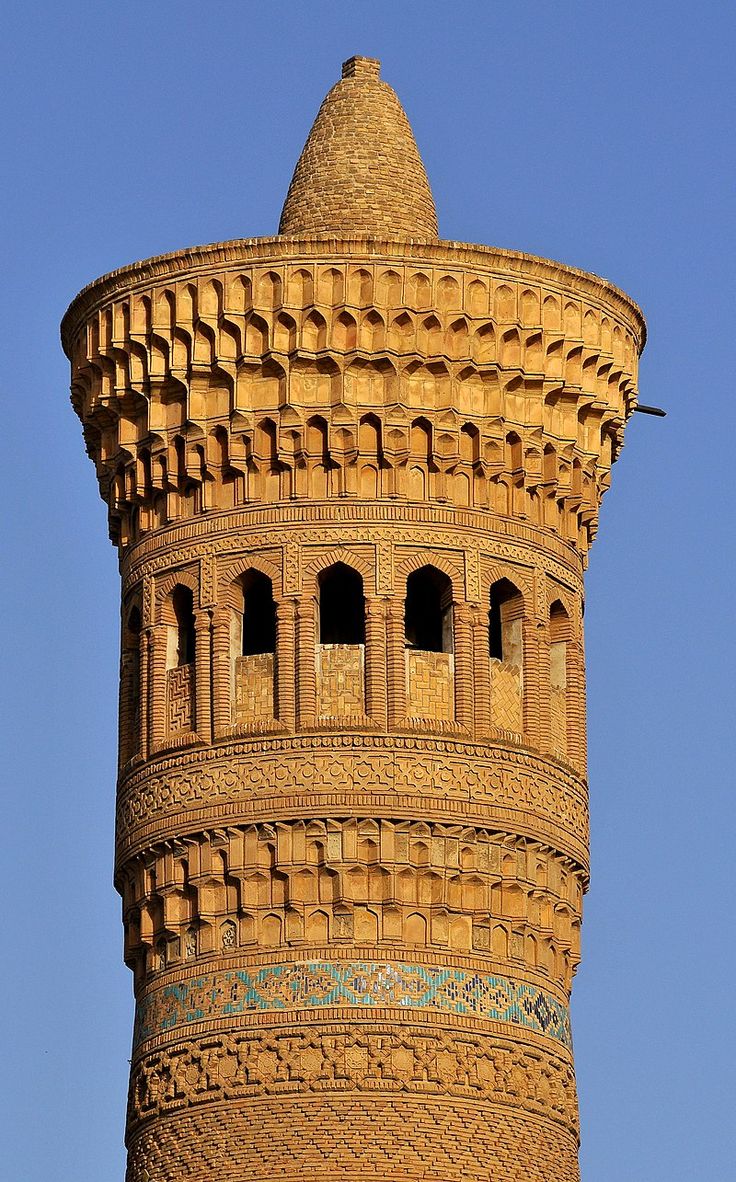
Central landmark featuring the Kalyan Minaret, Kalyan Mosque, and Mir-i-Arab Madrasah.
The Kalyan Minaret, also known as the “Tower of Death,” dates back to 1127 AD.
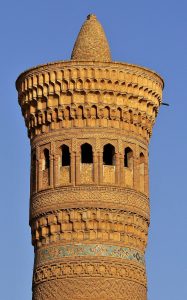
Massive citadel and former royal residence.
Includes palaces, military structures, and museums showcasing Bukhara’s history.
Known for its ornate wooden columns and peaceful courtyard.
Located near Lyabi-Hauz, a famous city pond.
Picturesque square with a pond, mosque, and two historic madrasahs.
A popular spot for photography and cafes.
Small yet iconic structure with four turquoise minarets, built in the 19th century.
Symbolizes Bukhara’s rich architectural diversity.
Explore traditional markets, silk and carpet shops, and historic caravanserais like Toki-Zargaron.
Great place for souvenirs, spices, and handcrafted goods.
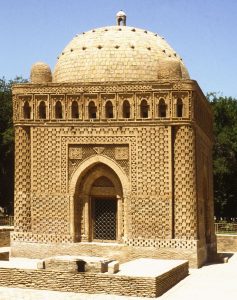
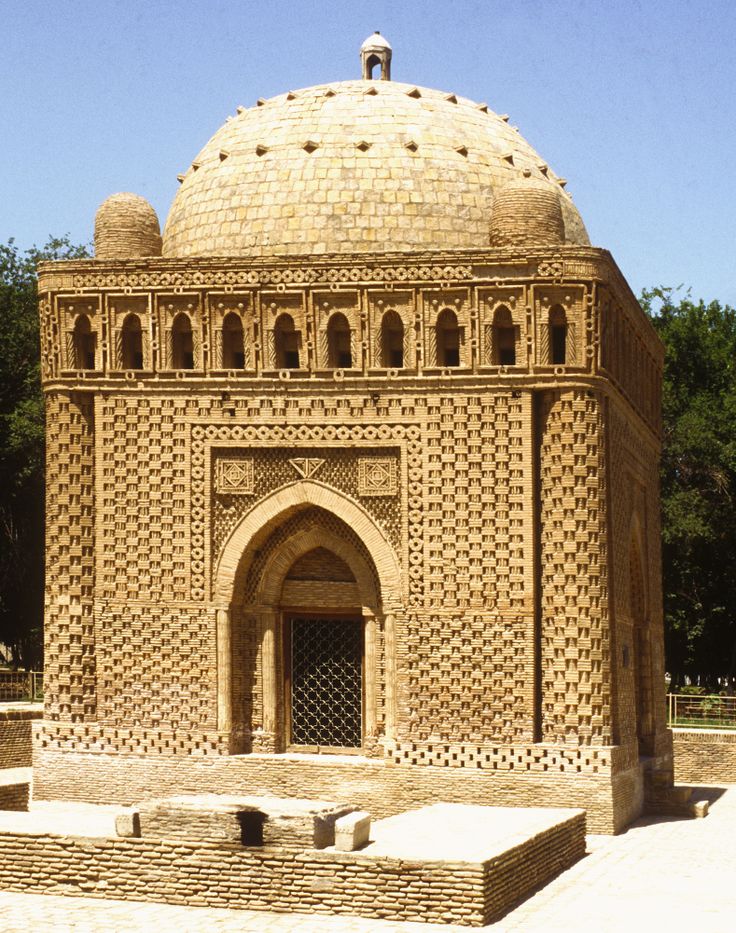
One of the earliest Islamic structures in Central Asia (10th century).
Famous for its brickwork and architectural elegance.
Spring (March – May): Mild temperatures and blooming gardens.
Autumn (September – November): Comfortable weather for walking tours.
Summer (June – August): Very hot, but mornings and evenings are manageable.
Winter (December – February): Cool with fewer tourists; ideal for quiet exploration.
Walking Tours: Explore historic city center and architectural landmarks.
Photography: Capture intricate mosaics, ancient minarets, and market life.
Cultural Experiences: Attend traditional music performances and handicraft workshops.
Food & Cuisine: Try plov, shashlik, samsa, and green tea in historic teahouses.
Shopping: Purchase carpets, silk, ceramics, and copperware in local bazaars.
Luxury Hotels: Offer modern comfort and historical ambiance near the city center.
Mid-range Hotels & Guesthouses: Affordable stays with local charm.
Budget Hostels: Suitable for backpackers and solo travelers.
By Air: Bukhara International Airport, flights from Tashkent, Samarkand, and other regional hubs.
By Train: Connected to Tashkent, Samarkand, and other major Uzbek cities via high-speed or regular trains.
By Road: Accessible by car or bus from Samarkand (about 4–5 hours) and Tashkent (about 10–12 hours).
Tip: Trains are comfortable, safe, and efficient for intercity travel in Uzbekistan.
Dress Modestly: Especially when visiting mosques and madrasahs.
Local Currency: Uzbekistani Som (UZS). Cash is preferred in markets.
Hydration: Bring water while exploring the city, particularly in summer.
Guided Tours: Recommended for historical context and stories behind architecture.
Safety: Bukhara is very safe; standard precautions suffice.
Samarkand: Silk Road hub with iconic architecture (2–3 hours by train).
Shakhrisabz: Timur’s birthplace with historical monuments (~3–4 hours).
Gijduvan: Famous for pottery and ceramics workshops (~1 hour).
Nurata Mountains: Nature and local villages for trekking and cultural experiences (~2 hours).
Have Questions? We’ve Got You Covered!
Not ready to book yet? No problem! You can reach out to us anytime — we’re happy to provide all the information, tips, and guidance you need to plan your perfect trip, even if you haven’t booked with us yet. Your journey starts with the right advice, and we’re here to help every step of the way.
Whatsapp: +996224777992
Email: Kyzart.travel@gmail.com