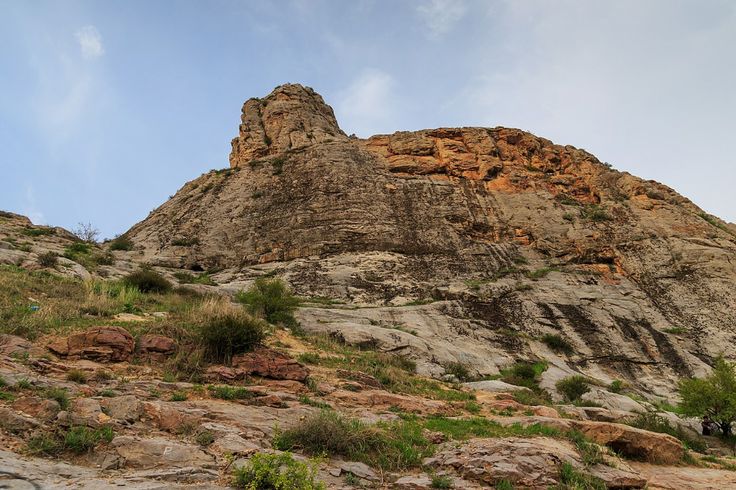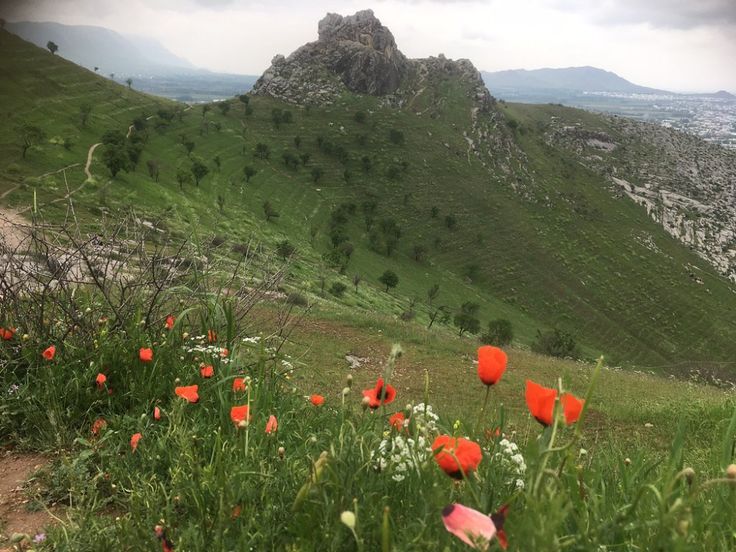
Sulaiman-Too Sacred Mountain is a sacred cultural landmark and UNESCO World Heritage Site located in the heart of Osh, one of Central Asia’s oldest continuously inhabited cities. The mountain rises above the cityscape and has been venerated for at least 1,500 years as a place of worship, pilgrimage, and spiritual significance.
It’s one of Kyrgyzstan’s most important historical and cultural sites, blending pre‑Islamic traditions, Silk Road history, and Islamic pilgrimage practices — all set against panoramic views of Osh and the Fergana Valley.
Sulaiman‑Too dominates the skyline of Osh, a major city in southern Kyrgyzstan. Its position near the old Silk Road crossroads made it an important landmark for travelers, traders, and pilgrims throughout history.
Sulaiman‑Too is a must‑see for history lovers, culture enthusiasts, and spiritual travelers:
UNESCO World Heritage Site: It was the first site in Kyrgyzstan inscribed on the World Heritage List in 2009 for its exceptional cultural value.
Spiritual Significance: The mountain has been regarded as a sacred place for millennia, with sites of worship still active today.
Rock Art & Petroglyphs: More than 100 ancient rock art sites featuring figures of humans, animals, and symbolic motifs have been recorded on its slopes.
Historic Mosques & Shrines: Includes restored 16th‑century mosques and sacred caves linked to centuries‑old religious practices.
Cultural Fusion: Sulaiman‑Too represents a rare blend of pre‑Islamic beliefs and Islamic traditions, still observed by pilgrims today.
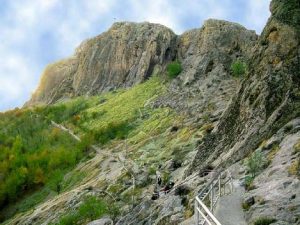
The mountain has been revered since ancient times and served as a beacon for travelers crossing the Silk Road. It has a network of traditional pilgrimage paths connecting numerous sacred sites.
Local lore ties the mountain to the legendary figure Prophet Solomon (Suleiman), and many pilgrims climb its slopes seeking blessings, healing, or fulfillment of prayers — a spiritual practice that continues to this day.
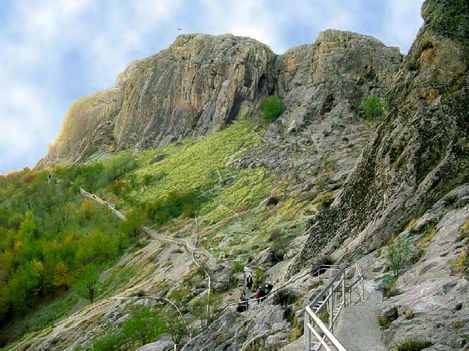
Walk the footpaths connecting ancient cult places, grottoes, and religious sites — many still visited by worshippers seeking spiritual blessings.
Discover rock art and inscriptions that span millennia, illustrating early human activity and ancient beliefs.
Key spiritual structures include the Takht‑i Sulaiman Mosque, Rawwat‑Abdullakhan, and other historic places of prayer restored for visitors to explore.
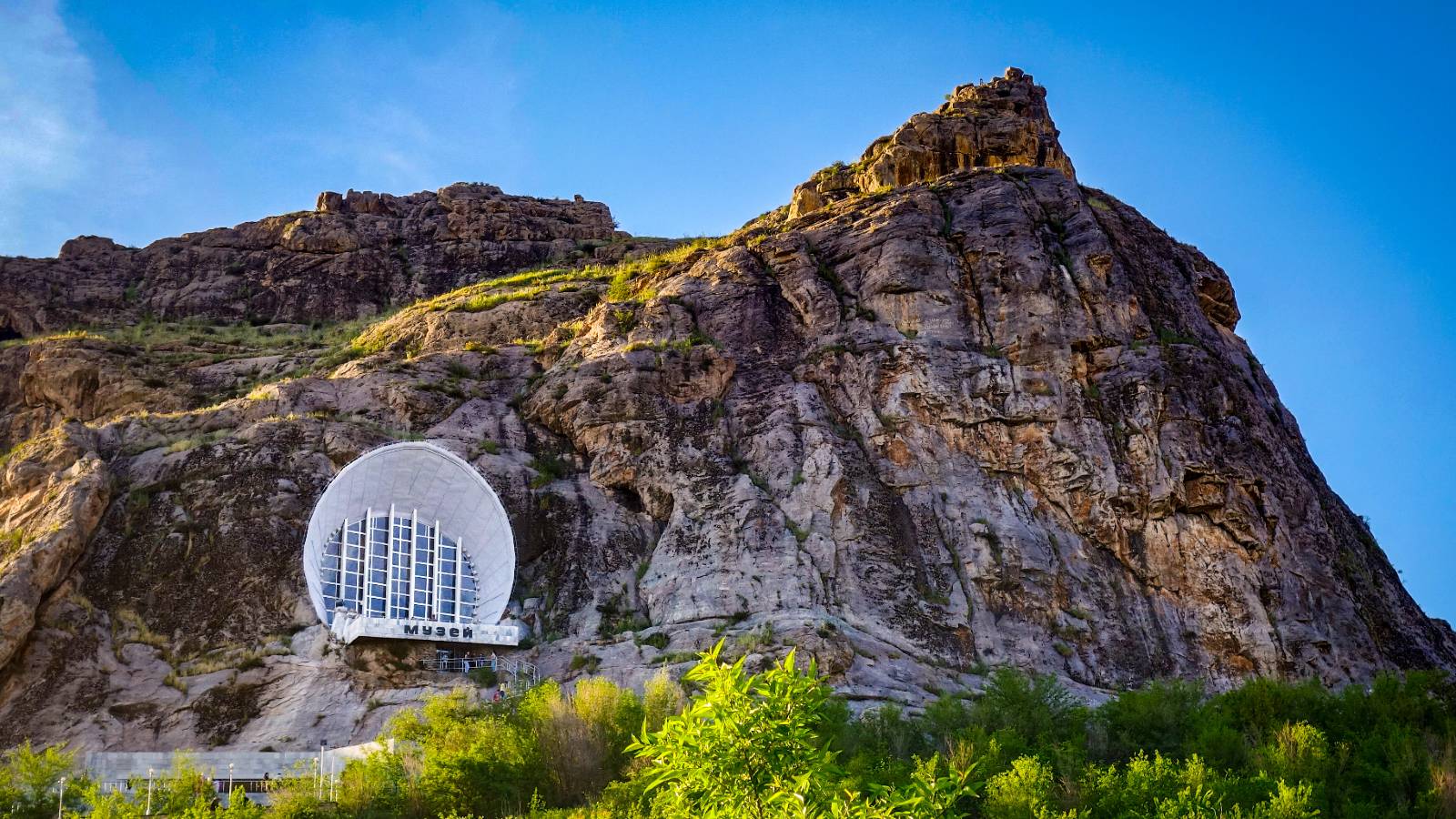
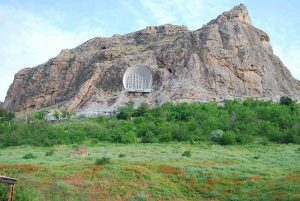
There’s a museum built into the mountain (dating back to Soviet times) showcasing archaeological finds and local history — ideal for deeper context on the site’s heritage.
Climb viewpoints around the mountain for great vistas over Osh, its bazaars, and the distant Alay and Pamir ranges.
Sulaiman‑Too can be visited year‑round, but the most pleasant times are:
Spring & Autumn: Mild weather for walking and exploration.
Summer: Warm, but climbing paths can be more strenuous.
Winter: Clear days offer striking views of the valley below.
Visitors should wear comfortable walking shoes and bring water, as some paths are steep and exposed to the sun.
From within Osh: The mountain sits at the city’s heart and is easily accessible by foot or taxi.
The main entrance is close to Kurmanjan Datka Street, and paths wind up to significant historic points and viewpoints.
Many pilgrims perform ritual walks around the mountain — respecting local customs is important.
Wear comfortable shoes and sun protection for walking paths.
Basic facilities are available near the base, but some parts of the site have limited services.
Combining a visit to Sulaiman‑Too with Osh’s Jayma Bazaar and regional museums makes for a full cultural day.
Jayma Bazaar — one of the oldest and largest open‑air bazaars in Central Asia.
Uzgen Minaret and Mausolea — historic Islamic architecture in the Osh region.
Alay Valley and Pamir routes for scenic mountain tours.
Have Questions? We’ve Got You Covered!
Not ready to book yet? No problem! You can reach out to us anytime — we’re happy to provide all the information, tips, and guidance you need to plan your perfect trip, even if you haven’t booked with us yet. Your journey starts with the right advice, and we’re here to help every step of the way.
Whatsapp: +996224777992
Email: Kyzart.travel@gmail.com